Abstract Mountains: A Designer’s Real-World Embroidery Review
First Impressions: Calm, Confident, and Quietly Bold
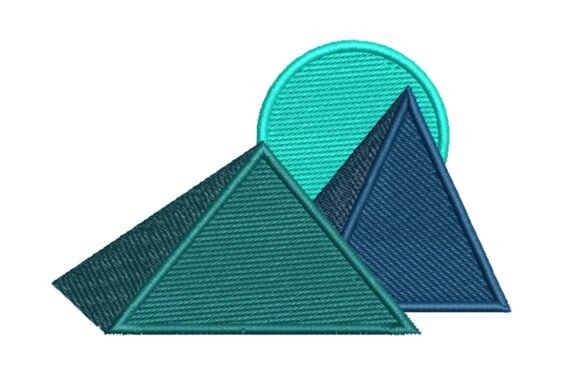
When I opened Abstract Mountains for the first time, I didn’t see a cliché peak or a literal landscape—I saw rhythm. The shapes are fluid but grounded, with layered silhouettes that suggest elevation without naming it. There’s breathing room in the negative space, and the line weight feels intentional—not too sharp, not too soft. It lands somewhere between nature documentary and gallery wall: serene enough for a baby onesie, strong enough for a boutique sweatshirt. As an embroidery designer who’s stitched hundreds of mountain motifs, I appreciate how this avoids overused tropes. It doesn’t shout “adventure”—it invites quiet reflection. That makes it unusually versatile across Cities-themed collections, travel merch, and minimalist lifestyle brands.
Real Project Test: A Linen Tote Bag for a Local Bookstore
Last week, I used Abstract Mountains on a heavyweight natural linen tote—part of a small-batch order for a neighborhood bookstore launching a “Wander & Read” summer series. I chose a medium gray thread on oat-colored fabric, hooped with tear-away stabilizer (medium weight) and added light cutaway behind the seam allowance. The result? Clean, legible, and tactile—no puckering, no thread breaks, and the satin-stitched contours held their shape beautifully along the curved shoulder strap area. Customers responded immediately: “It feels like a place I want to go,” one said. That emotional resonance matters more than technical perfection—and Abstract Mountains delivers it without leaning on realism.
Where It Shines (and Where to Pause)
- Custom apparel: Works exceptionally well on sweatshirts and structured tees—its open composition avoids bulk in fill-stitch zones. On lightweight cotton tees, I’d reduce stitch density slightly or opt for a running-stitch outline version if available.
- Tote bags & aprons: Ideal scale and visual weight. The design reads clearly at 4–5 inches wide, holds up to daily use, and complements utilitarian fabrics without competing.
- Baby embroidery & nursery decor: Gentle curves and lack of fine detail make it safe for tiny garments and pillow covers—no risk of stiff, scratchy areas. Paired with soft pastel threads, it reads as soothing, not stark.
- Holiday & personalized gifts: Feels special but not seasonal—equally fitting for a graduation gift, housewarming, or anniversary. Its abstraction gives it longevity beyond trend cycles.
- Etsy listings & craft fair products: Stands out in thumbnails thanks to strong silhouette contrast. Converts well in printable mockups because it scales cleanly across light and dark backgrounds.
Fabric & Fit Notes You’ll Actually Need
Abstract Mountains is forgiving—but not magic. On stretchy knits (like jersey sweatshirts), I recommend basting the hoop first and using a light fusible stabilizer underneath. On textured fabrics—think bouclé, heavy canvas, or terry cloth—the outer edges stay crisp, but subtle interior gradations may soften slightly. That’s not a flaw; it’s part of its handmade charm. For dark fabric, test your thread colors carefully: a charcoal gray can disappear on black, while navy pops with surprising warmth. And avoid placing it directly over seams or curved surfaces like cap crowns unless you’ve tested the hoop alignment—it’s designed for flat or gently contoured surfaces, not extreme curvature.
What It Does for Your Craft Business
This isn’t just another machine embroidery design—it’s a quiet brand amplifier. When stitched onto a handmade product, Abstract Mountains elevates perceived value without demanding premium pricing. Customers notice the balance, the restraint, the intentionality. That builds trust faster than any tagline. For Etsy sellers, it performs well in search when paired with terms like “minimalist mountain embroidery” or “nature-inspired tote bag design”—but more importantly, it encourages repeat visits because it feels cohesive across product types (pillow cover today, tea towel tomorrow). As a digital embroidery file, it supports consistent branding across physical and digital assets—mockups look professional, and licensing clarity (check before selling finished items!) ensures your craft business stays protected.
Practical Designer Checks Before You Stitch
- Test on scrap fabric *first*—especially if using textured, dark, or stretchy material.
- Review stitch density: dense fill areas should lie flat on your target fabric weight.
- Confirm hoop size compatibility—this design likely fits comfortably in a 5x7 hoop, but verify before hooping your final piece.
- Inspect small details at actual stitch-out size: are interior lines distinct? Do corners resolve cleanly?
- Try black-and-white mockups: does the shape retain impact without color cues?
- Compare light vs. dark background renders—some thread palettes shift mood dramatically.
- Use appropriate stabilizer: tear-away for stable wovens, cutaway for knits or high-wear items like patches.
- Double-check licensing: is this embroidery file cleared for commercial embroidery, resale of finished products, or digital redistribution?
Final Thought: Not Just a Design—A Design Decision
Choosing Abstract Mountains isn’t about picking a pretty mountain. It’s choosing clarity over clutter, feeling over literalism, and quiet confidence over loud novelty. It works because it respects the craft—not just as decoration, but as a meaningful part of the object it lives on. Whether you’re stitching a single personalized gift or scaling production for your small shop, this embroidery file earns its place. It doesn’t distract. It belongs. And in a crowded market of handmade goods, that kind of thoughtful fit is rare—and valuable.