Harvest Basket: A Smart Autumn Embroidery Choice
First Impression: Warm, Authentic, and Brand-Ready
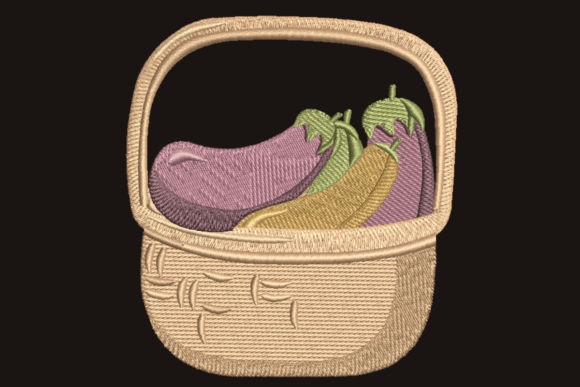
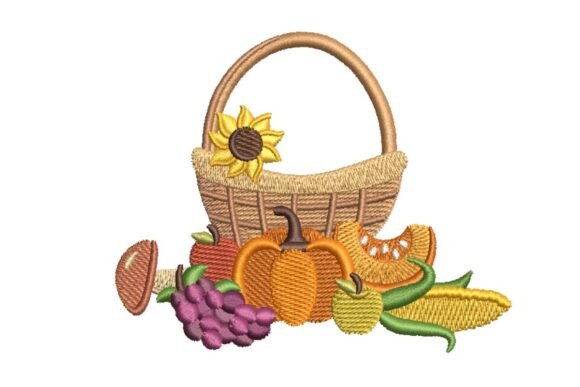
As an embroidery designer who’s developed hundreds of machine embroidery designs for small business merch, my first read on Harvest Basket is immediate and positive: it signals seasonal warmth without leaning into cliché. The phrase “bountiful fall basket filled with seasonal fruits and veggies” suggests thoughtful composition—not just a cluster of pumpkins, but layered, recognizable produce like apples, pears, carrots, and gourds. That level of intentional detail reads as professional, friendly, and handmade—ideal for cafés, florists, bakeries, and local boutiques that want to project approachability *and* craft integrity. It’s rustic enough for a farm-to-table brand, yet clean enough to avoid looking dated or overly decorative.
Where Harvest Basket Shines in Real Business Use
Harvest Basket works exceptionally well across high-impact small business applications—especially where visual storytelling supports brand identity. As an embroidered patch, it holds up beautifully on denim jackets, tote bags, and aprons: the basket shape naturally frames the motif, creating strong negative space that translates clearly at 3–4 inches wide. On staff uniforms—think chef coats, boutique smocks, or florist vests—it serves as a subtle chest logo accent that feels intentional, not generic. For cap embroidery, place it centered on the front panel (not curved brim) and it reads confidently at 2.5 inches tall. Its balanced proportions prevent distortion when digitized correctly.
For tote bag design, Harvest Basket scales elegantly from 4" to 6"—large enough to anchor the side panel or center front, yet detailed enough to reward closer inspection. As an apron embroidery element, it adds warmth without overwhelming utility. And for product packaging accents—like stitched labels on gift boxes or reusable produce bags—it elevates perceived value instantly. Etsy sellers and handmade brands will find it especially effective in printable mockups: its autumn palette pairs well with natural kraft, cream linen, and muted sage backgrounds, reinforcing authenticity in digital storefronts.
Use With Intention: Key Considerations for Commercial Embroidery
Like any strong embroidery file, Harvest Basket demands thoughtful execution—not just placement, but preparation. Avoid using it below 2 inches wide: fine stems, leaf veins, and fruit textures may collapse or stitch poorly on tiny patches or curved cap fronts. On dark uniforms, confirm thread colors deliver sufficient contrast—especially for lighter-toned produce like pears or pale squash. High stitch density in tightly packed areas (e.g., overlapping grape clusters or layered greens) can cause puckering on lightweight or textured fabric; always test on your actual garment fabric, not just stabilizer swatches.
Also note: if your version includes fine outlines or delicate stem details, those elements need extra stabilization—especially for apron embroidery on woven cotton or cap embroidery on structured twill. Don’t skip the underlay; it’s non-negotiable for crisp edges. And while Harvest Basket reads as classic, avoid pairing it with ultra-modern sans-serif logos unless you’re intentionally contrasting styles—consistency strengthens brand recognition.
How Harvest Basket Strengthens Your Brand Identity
Seasonal doesn’t have to mean disposable—and Harvest Basket proves it. When used across staff uniforms, customer-facing totes, and branded product labels, it builds visual consistency that customers subconsciously trust. A café using Harvest Basket on barista aprons *and* takeout totes signals cohesion, care, and intentionality—qualities that elevate perceived professionalism. For handmade brands, it reinforces the “crafted with care” message without needing text. And because it’s rooted in real seasonal abundance—not cartoonish motifs—it avoids looking gimmicky, which directly supports long-term buyer engagement and repeat purchases.
Practical Designer Notes Before You Stitch
- Test in black and white first: Convert your digital embroidery file to grayscale to assess value contrast—this reveals whether light fruits or stems will disappear on dark fabric.
- Check small-patch viability: Resize your design to 2 inches wide and run a virtual stitch simulation (or print a 1:1 outline) to verify legibility of key elements.
- Review thread color contrast: If your version includes recommended thread colors, cross-check them against your uniform or tote fabric swatches—not your screen.
- Inspect spacing and density: Look for tight clusters where stitches might overlap excessively; adjust density settings before production if needed.
- Confirm hoop size compatibility: Ensure your largest element fits comfortably within your standard hoop dimensions—no last-minute resizing mid-production.
- Test on real fabric: Run a sample on the exact material you’ll use—fabric texture dramatically affects how Harvest Basket reads post-stitch.
- Use proper stabilizer: Medium-weight cutaway works best for structured items like caps and uniforms; tear-away suffices for stable totes and aprons.
- Create a client-ready mockup: Embed Harvest Basket into a realistic apparel mockup before presenting to your small business client—this prevents costly revisions later.
- Compare beside other design assets: Open your brand’s logo, typography, and existing embroidery files next to Harvest Basket to ensure harmony in weight, style, and scale.
- Verify commercial licensing: Since this is intended for small business merch and branded patch use, confirm your purchase includes rights for commercial embroidery and resale of finished product.
Bottom line: Harvest Basket isn’t just another autumn embroidery—it’s a versatile, brand-conscious design asset. When applied with attention to fabric, scale, and context, it becomes more than decoration. It becomes part of your story: grounded, generous, and quietly confident. For embroidery shops, apparel decorators, and small business owners alike, it’s a smart, seasonal investment—one that earns its place on aprons, caps, totes, and beyond.