Fluffy Baby Bird: A Smart Choice for Small Business Merch
First Impression: Friendly, Vibrant, and Professionally Playful
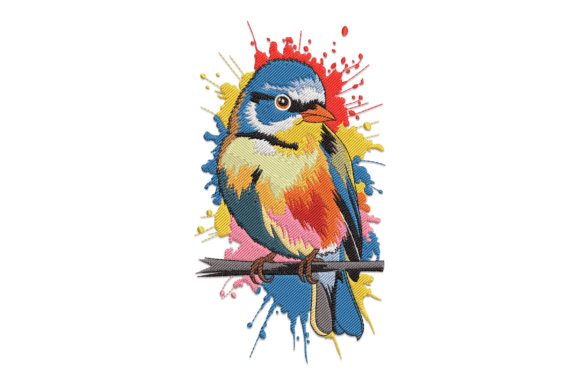
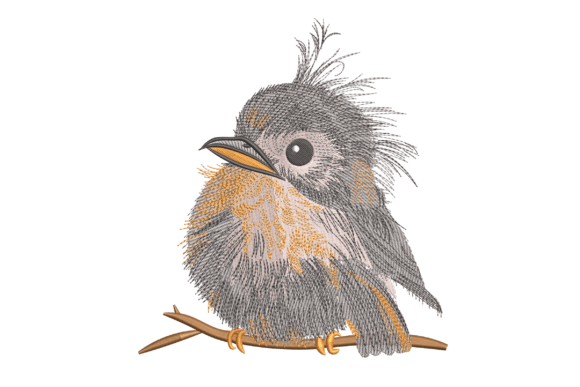
As an embroidery designer who’s developed hundreds of commercial designs for small businesses—from neighborhood bakeries to indie pet brands—I immediately recognize Fluffy Baby Bird as a strong candidate for branded merchandise. The name alone evokes warmth, charm, and approachability—qualities that resonate deeply with customers of handmade studios, boutiques, florists, and family-run cafés. It doesn’t feel overly cutesy or juvenile; instead, it strikes a balanced tone: imaginative yet refined, soft yet distinct. That duality makes Fluffy Baby Bird versatile across industries—ideal for a craft shop’s apron embroidery, a florist’s tote bag design, or a local café’s staff cap embroidery.
Real-World Performance Across Business Touchpoints
In my work with embroidery shops and Etsy sellers, I test every machine embroidery design not just for visual appeal—but for function. Fluffy Baby Bird shines in several high-impact applications:
- Embroidered patches: Its rounded shape and clear silhouette hold up beautifully at 2”–3” sizes—perfect for sew-on or iron-on branding on jackets, backpacks, or product packaging accents.
- Staff uniforms & aprons: Positioned on chest or sleeve, Fluffy Baby Bird adds personality without overwhelming professionalism—especially when paired with neutral thread colors like heather gray or navy.
- Cap embroidery: Works well on structured front panels (not curved bill edges), especially when simplified slightly for clarity at smaller scale.
- Tote bag design & custom apparel: The “vibrant and imaginative flair” described fits naturally on natural canvas, organic cotton, or linen—fabrics commonly used by sustainable small business merch creators.
- Product labels & customer gifts: When stitched onto fabric tags, reusable pouches, or mini gift sacks, Fluffy Baby Bird reinforces brand identity while signaling care and craftsmanship.
Where to Use Fluffy Baby Bird Thoughtfully
Even charming designs need strategic placement. Based on real production experience, here’s where extra attention pays off:
- Small patch sizes (<2”): Test the digital embroidery file at actual scale—fine details like feather texture may soften or blur. Prioritize clean outlines over intricate fill.
- Cap fronts & curved surfaces: Avoid placing near the crown seam or deep curve unless the digitizing allows smooth stitch laydown. Always use medium-weight cutaway stabilizer.
- Dark or textured fabric: On heavy denim, terry cloth towels, or tweed, increase underlay stitches and confirm thread color contrast—light pastels may fade visually without proper backing.
- Frequent-wash items: For aprons or work shirts, verify stitch density isn’t excessive—tight fills can stiffen fabric or crack after repeated laundering.
- Commercial embroidery consistency: If using Fluffy Baby Bird across multiple products (e.g., tote + cap + tag), compare thread colors side-by-side—subtle shifts affect visual cohesion.
How Fluffy Baby Bird Strengthens Brand Identity
For small businesses, every embroidered detail contributes to perception. Fluffy Baby Bird supports trust and recognition not by shouting—but by whispering consistency. Its friendly energy aligns with brands that value authenticity, creativity, and gentle professionalism. When customers see it stitched on a bakery’s linen apron or a pet brand’s recycled tote, they subconsciously associate those qualities with your business. Unlike generic icons or overused motifs, Fluffy Baby Bird feels intentional—like a signature rather than stock art. That distinction elevates perceived product value and encourages repeat engagement, especially among Etsy buyers and craft-conscious shoppers.
Practical Designer Notes Before You Stitch
Before sending Fluffy Baby Bird to production—or sharing it with clients—follow these field-tested steps:
- Test in black and white first: Eliminates color bias and reveals true contrast, spacing, and legibility.
- Check small-scale performance: Resize the embroidery file to your smallest intended use (e.g., 1.75”) and run a sample on scrap fabric.
- Review thread color pairings: Try matte cotton threads against shiny poly—texture affects how “fluffy” reads visually.
- Inspect spacing & underlay: Tight curves or nested elements need proper underlay to prevent puckering on stretchy or lightweight fabrics.
- Confirm hoop size & stabilizer match: A design meant for 4” x 4” hoops won’t scale cleanly to 5” x 7” without re-digitizing—verify before bulk orders.
- Test on real fabric: Especially critical for textured home decor fabrics or performance blends used in staff uniforms.
- Create a printable mockup: Show clients exactly how Fluffy Baby Bird will appear on their chosen item—this prevents costly rework and builds confidence.
- Compare beside other design assets: Does it harmonize with your logo, typography, and existing embroidery files? Consistency strengthens brand recall.
- Confirm commercial licensing: Since this is for small business merch, ensure the digital embroidery file includes rights for resale, promotional use, and client projects.
Final Thought: More Than Just a Bird—It’s a Brand Moment
Fluffy Baby Bird isn’t just another Birds category embroidery file—it’s a thoughtful, scalable asset for small business owners who understand that branded fabric tells a story before a word is spoken. Whether stitched on a barista’s apron, a florist’s reusable wrap, or a handmade soap maker’s gift pouch, it invites connection, signals care, and quietly says, “We made this—with intention.” As a designer, I recommend it for teams that value both craftsmanship and clarity—and for businesses ready to turn everyday textiles into memorable brand moments.