Mini Sunflower Bee Embroidery Design
A Seasonal Designer’s First Impression
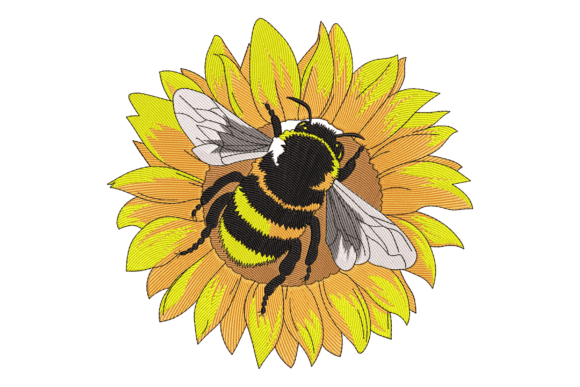
When I opened the Mini Sunflower Bee embroidery file, I felt an immediate lift—like stepping into a sun-dappled garden in late spring. It’s not just another bug-themed machine embroidery design; it carries warmth, whimsy, and quiet celebration. The bee perches playfully on a compact sunflower head, petals slightly asymmetrical, wings delicately veined, and antennae curving with gentle confidence. This isn’t hyper-realistic entomology—it’s friendly, approachable, and full of charm. Emotionally, it reads as playful, cozy, and nostalgic, with a subtle modern edge in its clean outlines and balanced negative space. It doesn’t shout “holiday!” but it *welcomes* the season: think Easter brunch napkins, summer solstice baby onesies, back-to-school tote bags, or even cozy autumn kitchen towels where golden tones echo harvest light.
Real-World Holiday & Seasonal Use Cases
As someone who builds seasonal collections for Etsy sellers and small shop product lines, I tested Mini Sunflower Bee across high-demand holiday categories—and it consistently added value without overwhelming:
- Sweatshirt embroidery: Works beautifully on crewnecks and cropped styles—small enough to sit neatly over a pocket or sleeve cuff, large enough to read clearly. Perfect for family matching sets (mom + toddler + teen) during Mother’s Day or fall festivals.
- Tote bag design: Stitches crisply on canvas and cotton duck. Paired with minimalist typography (“Bee Kind” or “Grow Wild”), it becomes a standout handmade gift at craft fairs or farmers’ markets.
- Kitchen towel embroidery: Ideal for linen or waffle-weave towels—its cheerful motif softens utilitarian spaces. Bundled with matching oven mitts or aprons, it reads as a curated, gift-ready set.
- Pillow cover & ornament applications: At under 3" wide, it fits standard hoop sizes and translates well to velvet, cotton, or wool-blend fabrics. On ornaments, it reads clearly even at thumbnail size in social media previews.
- Embroidered patch: Clean edges and moderate stitch density make it ideal for iron-on or sew-on patches—great for denim jackets, backpacks, or personalized baby blankets.
For Etsy sellers, this design performs strongly in visual storytelling: it scales well in printable mockups, supports cohesive color palettes (mustard + sage, cream + terracotta, sky blue + lemon), and pairs naturally with botanical or rustic branding. Customers recognize it instantly—not as generic clip art, but as a signature touch that signals care, craftsmanship, and seasonal intention.
Where to Use Mini Sunflower Bee Thoughtfully
Even charming designs need smart placement. Here’s where I recommend extra attention:
- Small hoop sizes: Confirm the design fits your most-used hoops (e.g., 4x4" or 5x7"). If it pushes limits, test stitch density first—overcrowded petals or wing details can blur on tight curves.
- Thick or textured fabric: On heavy towels or quilted pillow covers, use cutaway stabilizer—not tear-away—to prevent puckering and support fine lines.
- Dark fabric: Test thread colors thoroughly. A pale yellow sunflower may disappear on navy unless paired with white or ecru backing threads and dense satin fill.
- Stretchy garments: For t-shirts or knit baby onesies, add lightweight fusible stabilizer and reduce top tension slightly to avoid skipped stitches on curved seams.
- Metallic thread or dense embellishment: Avoid layering metallics over delicate wing outlines—the sheen can obscure definition. Stick to matte poly or rayon for clarity.
Why This Design Strengthens Your Seasonal Strategy
Mini Sunflower Bee does more than decorate—it deepens buyer connection. During holiday shopping periods, customers don’t just buy products; they buy feelings: nostalgia for childhood gardens, joy in small moments, pride in supporting handmade gifts. This design delivers that quietly, consistently. It elevates perceived product value without raising price points—customers pay more for “thoughtful,” not “busy.”
It also reinforces brand consistency. Whether you’re selling embroidered tea towels in June or holiday ornaments in December, Mini Sunflower Bee acts as a recognizable thread (pun intended) across your catalog. That builds trust—shoppers know what to expect from your aesthetic, and repeat buyers seek out your seasonal drops. On social media, its distinct silhouette stands out in feeds and Stories, boosting engagement without needing filters or heavy editing.
And for giftability? It’s exceptional. Paired with a handwritten note and natural packaging, a Mini Sunflower Bee-embroidered item feels personal—even when mass-produced as part of a limited edition run. That emotional resonance is what turns one-time buyers into loyal fans.
Practical Notes from the Embroidery Studio
Before adding Mini Sunflower Bee to your seasonal collection, here’s my checklist:
- Test thread colors on both light and dark fabric swatches—especially for the sunflower center and bee stripes.
- Check stitch density in the petal tips and wing veins. Too dense = stiffness; too sparse = loss of detail after washing.
- Confirm hoop size compatibility—don’t assume it fits your standard setup without measuring.
- Match stabilizer to fabric texture: cutaway for towels, lightweight tear-away for tees, fusible for knits.
- Create realistic mockups—not just flat white backgrounds. Show it on a folded kitchen towel, draped over a tote strap, or stitched near a pillow seam.
- Review small details post-stitch: trim jump stitches, check for stray threads around antennae, and press gently with a pressing cloth.
- Plan complementary color palettes in advance—this helps with product photography, listing graphics, and bundle creation.
- Verify commercial licensing before selling finished seasonal products. As a digital embroidery file, its usage rights directly impact your ability to offer embroidered goods at scale.
Ultimately, Mini Sunflower Bee isn’t just a Bugs category embroidery—it’s a versatile, emotionally resonant tool for makers who understand that seasonal success lies in balancing charm with craft, simplicity with intention, and joy with precision.