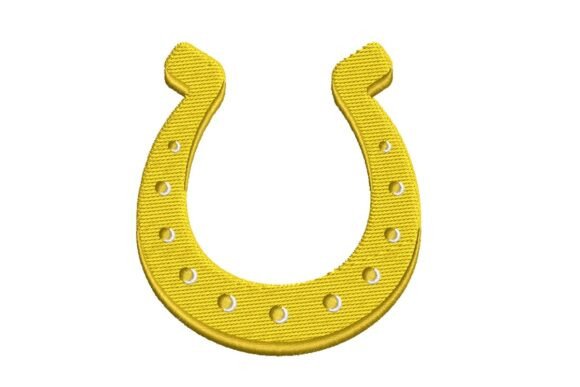
Lucky Horseshoe Embroidery Design
Why Lucky Horseshoe Fits Seamlessly Into a Thoughtful Product Line
As someone who’s curated embroidery files for over eight years—and shipped thousands of embroidered totes, sweatshirts, and baby blankets—I approach every new Creative Fabrica embroidery download with two questions: Will it look intentional on real fabric? and Will my customers instantly “get” its appeal? Lucky Horseshoe passes both tests. It’s not just a symbol—it’s a quiet storytelling device. The description calls it “golden,” “charming,” and tied to luck, prosperity, and strength—three universally resonant themes that translate beautifully across product categories.
A Visual Personality That Sells
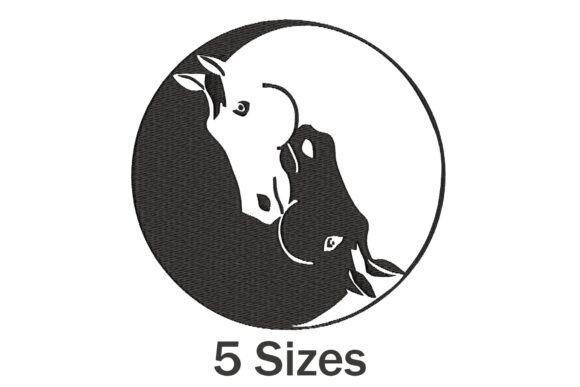
Lucky Horseshoe reads as elegant yet approachable—neither overly rustic nor ultra-minimalist. It avoids cartoonishness (a common pitfall in horse-themed designs), and doesn’t lean into Western clichés like cacti or bandanas. Instead, it feels classic and timeless, with clean curves and balanced weight. That makes it equally at home on a linen kitchen towel for a boutique gift shop and a soft cotton baby blanket for a personalized newborn bundle. It’s feminine without being frilly, bold without being loud, and symbolic without feeling obscure.
Where Lucky Horseshoe Shines in Real Product Planning
I’ve already sketched out five Etsy listings using Lucky Horseshoe—and each one solves a different customer need:
- Tote bag design: Centered on natural canvas or oat-colored jute, it adds instant charm without overwhelming the material. Great for farmers’ market vendors or yoga studios looking for branded merch.
- Sweatshirt embroidery: Placed subtly on the left chest or back yoke, it elevates basic apparel into something giftable—especially for graduates, new homeowners, or job changers (all “new beginnings” moments).
- Baby embroidery: On a cream swaddle or muslin blanket, it reads as tender and hopeful—not kitschy. Paired with neutral thread (ivory, soft gold, or heather gray), it photographs cleanly for Instagram and Etsy thumbnails.
- Kitchen towel embroidery: A single Lucky Horseshoe near the hem gives handmade kitchen linens a boutique feel—ideal for craft fairs or local gift shops.
- Embroidered patch: With clean edges and moderate detail, Lucky Horseshoe converts well to iron-on or sew-on patches—perfect for customizing denim jackets or backpacks.
Supporting Your Craft Business Beyond the Stitch
Lucky Horseshoe isn’t just about what you stitch—it’s about how easily you can sell it. Its symbolism makes it inherently giftable: no explanation needed at checkout. Its golden tone invites rich, warm thread colors that pop in natural light—making your product photography more consistent and scroll-stopping. And because it’s compact and balanced, it scales well across sizes: readable at 2.5" on a cap, elegant at 4.5" on a pillow cover, and still legible in a tiny 1.75" version for a charm-style apron pocket.
For social media previews? It works flawlessly in printable mockups—no awkward cropping or distortion. For seasonal collections, it bridges gaps: subtle enough for year-round use, but also quietly festive around St. Patrick’s Day, weddings (as a “something old” motif), or even New Year’s gifting. And for personalized gifts? Pair it with monogrammed initials or a short phrase (“Good Luck, Emma”)—it holds visual weight without competing.
Practical Seller Notes Before You List
Before adding Lucky Horseshoe to your next batch of finished products, take these steps:
- Test the design first. Run a sample stitch-out on your most-used fabric type—especially if planning for lightweight cotton, knits, or terry cloth. Observe how it behaves with your preferred stabilizer.
- Photograph on real fabric. Don’t rely solely on digital mockups. Capture natural-light shots of the actual stitch-out on tote bags, towels, and sweatshirts—this builds trust and helps you refine listing visuals.
- Compare thread color options. Try matte gold, metallic gold, cream, charcoal, and deep burgundy. Some hues will read richer in person than on screen—and affect perceived value.
- Check readability at thumbnail size. Zoom out to 25% in your editing software. Does the shape remain clear? Does the curve hold definition? If details blur, consider simplifying background elements in your own layout (not the file itself).
- Review stitch density and hoop size. While the product description doesn’t specify exact metrics, verify these on the Creative Fabrica product page before production—especially if stitching on small hoops or delicate fabrics.
- Confirm licensing for commercial embroidery. Creative Fabrica’s terms vary by designer. Ensure this digital embroidery file permits use in physical, hand-finished goods sold on Etsy or at craft fairs.
Final Thoughts for the Handmade Product Seller
Lucky Horseshoe is more than a machine embroidery design—it’s a versatile visual anchor. It supports storytelling without demanding attention, elevates everyday items without seeming pretentious, and connects emotionally without needing words. For Etsy sellers building cohesive collections, for craft business owners refining their signature style, and for creative entrepreneurs seeking embroidery files that convert consistently—Lucky Horseshoe delivers quiet confidence. It won’t shout, but it will resonate. And in a crowded handmade marketplace, that kind of grounded appeal is rare, valuable, and highly repeatable.