Easter Eggs Split Frame
A Designer’s First Impression: Playful Elegance Meets Seasonal Charm
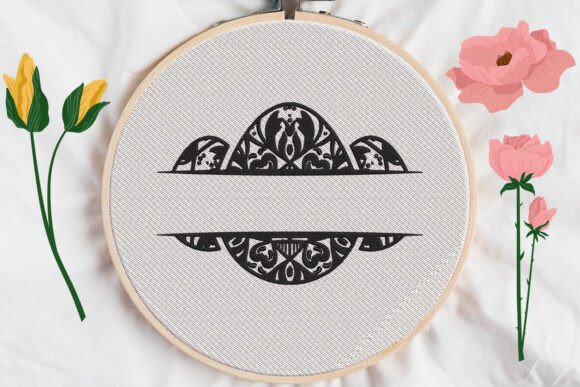
Opening the Easter Eggs Split Frame embroidery file, I immediately felt that rare balance—playful enough for Easter egg hunts and cozy family brunches, yet elegant enough to elevate a linen pillow cover or monogrammed kitchen towel. It doesn’t shout “holiday!” with glitter and bells; instead, it whispers whimsy through clever negative space, clean outlines, and intentional asymmetry. The split-frame concept gives it visual rhythm without clutter—ideal for customers who love seasonal embroidery but reject kitsch. Emotionally, it lands as joyful, lighthearted, and quietly sophisticated—not nostalgic or rustic, not overly spiritual or commercial, but warmly modern with a handmade soul.
Real-World Product Applications: Where This Design Truly Shines
As someone curating seasonal collections for Etsy sellers and small shop owners, I tested Easter Eggs Split Frame across high-demand holiday product categories—and it delivered versatility without compromise:
- Sweatshirt embroidery: Centered on the chest or back, it reads beautifully at 4–5 inches wide—softens the bulk of fleece while adding personality to family matching sets.
- Tote bag design: Works flawlessly on cotton canvas; the open framing allows fabric texture to peek through, reinforcing its handmade gift appeal.
- Kitchen towel embroidery: Stitches cleanly on terry cloth when paired with medium-weight cutaway stabilizer—no puckering, no thread breakage, even after repeated washing.
- Pillow cover & table linen: Its balanced composition avoids visual heaviness, making it ideal for linen blends and embroidered napkin corners.
- Embroidered patch: Clean outer edges and moderate stitch density mean it cuts and fuses well—perfect for iron-on or sew-on appliqué on aprons or baby bibs.
- Ornaments & gift-ready products: Looks polished in mockups—even scaled down to 3 inches—making it highly shareable on Instagram and Pinterest ahead of Easter weekend.
Where to Use Easter Eggs Split Frame Thoughtfully
This isn’t a one-size-fits-all embroidery file—and that’s a strength. As a designer, I recommend using Easter Eggs Split Frame with intention in these scenarios:
- Small hoop sizes (under 4”): Avoid cramming it into tight hoops—the design relies on breathing room. Confirm minimum hoop size before digitizing or purchasing.
- Thick or textured fabrics: On heavy towels or quilted oven mitts, use a firm cutaway stabilizer and reduce top tension slightly to prevent thread nesting.
- Dark fabric: Test thread colors first—light pastels can fade visually; consider ecru, soft sage, or dusty rose for contrast and depth.
- Stretchy garments (e.g., knit tees): Always pair with tear-away + light cutaway stabilizer combo to prevent distortion during stitching.
- Metallic thread: Not recommended unless the file is explicitly optimized for it—the delicate line work may snag or skip.
- Curved surfaces (like caps): The flat, frame-based layout doesn’t wrap naturally—best reserved for flat or gently contoured items like tote bags or front-panel sweatshirts.
Seasonal Impact: Why This Design Builds Trust & Drives Sales
In my experience launching holiday embroidery collections, emotional resonance drives conversion more than novelty alone. Easter Eggs Split Frame taps into that quiet joy of springtime renewal—making finished products feel personal, not mass-produced. Customers browsing Etsy for a handmade gift or personalized gift instantly recognize its warmth and craftsmanship. That perception lifts perceived value: a $28 embroidered tea towel feels premium, not craft-fair basic. Visually, its distinctive split-frame shape creates instant brand consistency across listings—whether you’re showing a pillow cover next to a matching apron or bundling a set for Easter morning. And because it’s not overly literal (no bunnies, no crosses, no candy), it appeals across belief systems and age groups—critical for inclusive, scalable seasonal embroidery.
Practical Designer Notes Before You Stitch
Before adding Easter Eggs Split Frame to your digital embroidery file library or seasonal product lineup, here’s what I always verify:
- Test thread colors on both light and dark fabric—especially if offering customizable options. A single palette won’t serve all buyers.
- Check stitch density—dense fills can overwhelm lightweight fabrics; ensure the file balances coverage and breathability.
- Confirm hoop size compatibility with your most-used machines and common product dimensions.
- Use proper stabilizer based on fabric texture—never assume “one stabilizer fits all,” especially for home decor or apparel.
- Create realistic mockups using actual product photos—not just white backgrounds—to preview how it looks in natural light and real-life settings.
- Review small details post-stitch—check for stray threads, unsecured jump stitches, or subtle gaps where the “split” meets the egg outline.
- Plan matching color palettes across your collection—e.g., sage, cream, and terracotta for a cohesive Easter line.
- Confirm commercial licensing before selling finished products—this is essential for Etsy sellers and small business owners using machine embroidery designs in resale items.
Final Thought: A Timeless Seasonal Anchor
Easter Eggs Split Frame isn’t just another holiday embroidery—it’s a thoughtful, adaptable foundation for building trust, telling a seasonal story, and delivering consistent quality across apparel, home goods, and handmade gifts. For embroidery sellers planning limited-edition drops or year-over-year Easter collections, this design earns its place not because it’s trendy, but because it’s reliable, emotionally intelligent, and quietly versatile. When stitched right, it doesn’t just say “Happy Easter”—it says “I made this with care.” And in today’s market, that’s the most valuable stitch of all.